Phase 1
What our factory will make, and for whom
A tablet and capsule factory at Phra Phutthabat, Saraburi, making established medicines for people who take them every day. These are planned products: nothing is registered or on sale yet.
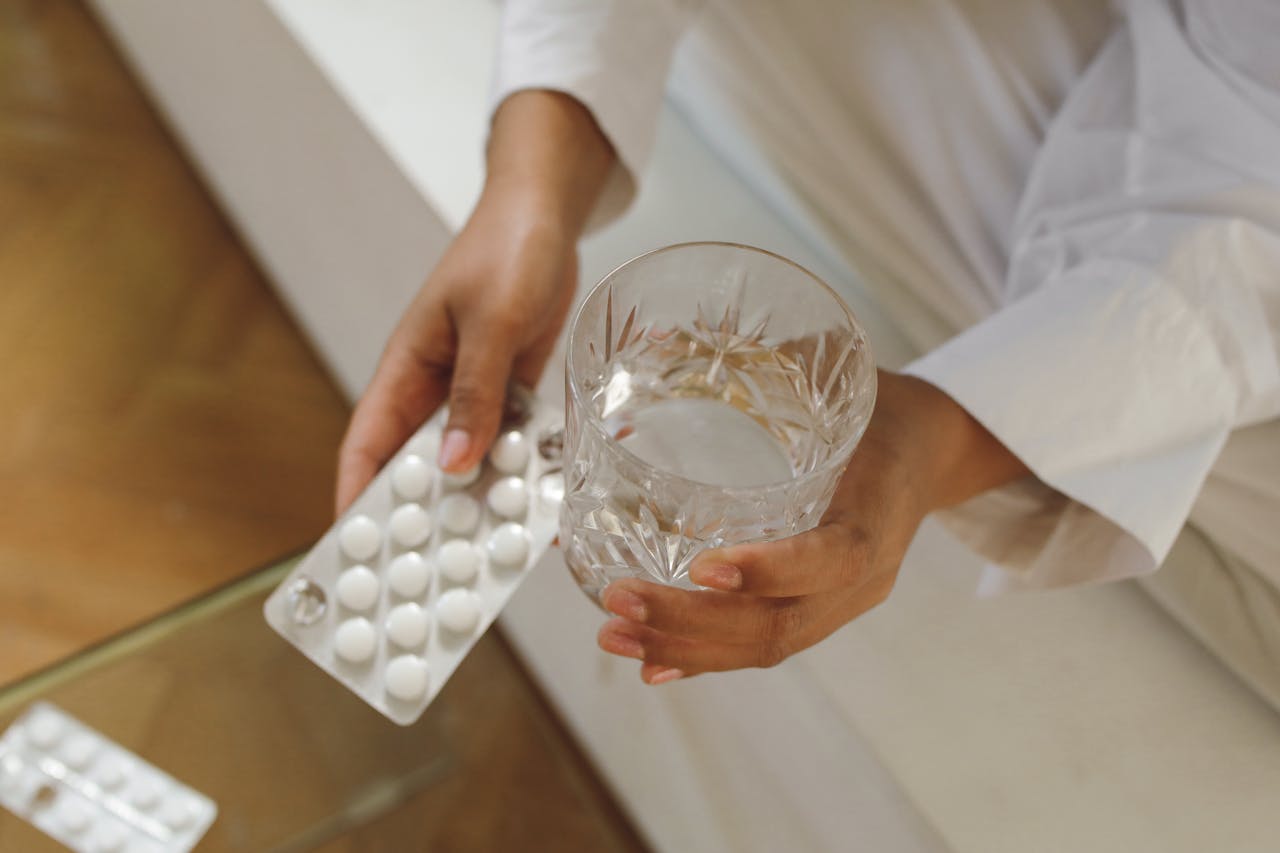
The kinds of medicine
Everyday medicines for long-term conditions
We plan to start with around ten well-established medicines. They fall into a few familiar groups:
- Medicines for long-term conditions often seen in older people, such as stomach acid, cholesterol, nerve pain, memory and gout. These are mostly prescribed by doctors.
- Common pharmacy medicines, for example for allergies and digestion.
Who we make medicine for
Three ways our medicines reach people
OEM for pharmacy chains and distributors
We manufacture medicines that partners sell under their own name. They get a reliable local manufacturer; we keep the factory busy.
Hospitals
Mainly private hospitals, for prescription medicines that the Government Pharmaceutical Organization (GPO) does not produce.
Our own house brand in pharmacies
A small range of common pharmacy medicines under the Phytrax name.
Export, step by step
After registration in Thailand, we plan to register in neighbouring and other developing countries.
How a tablet is made
From powder to a sealed pack
Making a tablet looks simple, but every step is controlled and recorded:
1
Check the ingredients
Every delivery is tested in our laboratory before it can be used.
2
Weigh and mix
The active ingredient is mixed evenly with other ingredients, so that every tablet gets the same dose.
3
Press and coat
The mix is pressed into tablets; some get a thin coating that protects them or makes them easier to swallow.
4
Pack
Tablets are sealed into blister packs and boxes, each with a batch number.
5
Test and release
A sample of every batch is tested. Only a qualified pharmacist can release it.

Fair price
Why we stay away from the cheapest end
We choose medicines where a local, quality manufacturer is useful, and where the GPO is not already supplying the country. We price them fairly, with a reasonable margin. That keeps the factory sustainable. A sustainable factory is what makes a reliable supply possible for patients, here and abroad.
Looking for an OEM partner?
If you run a pharmacy chain or a distribution business, we would like to talk.